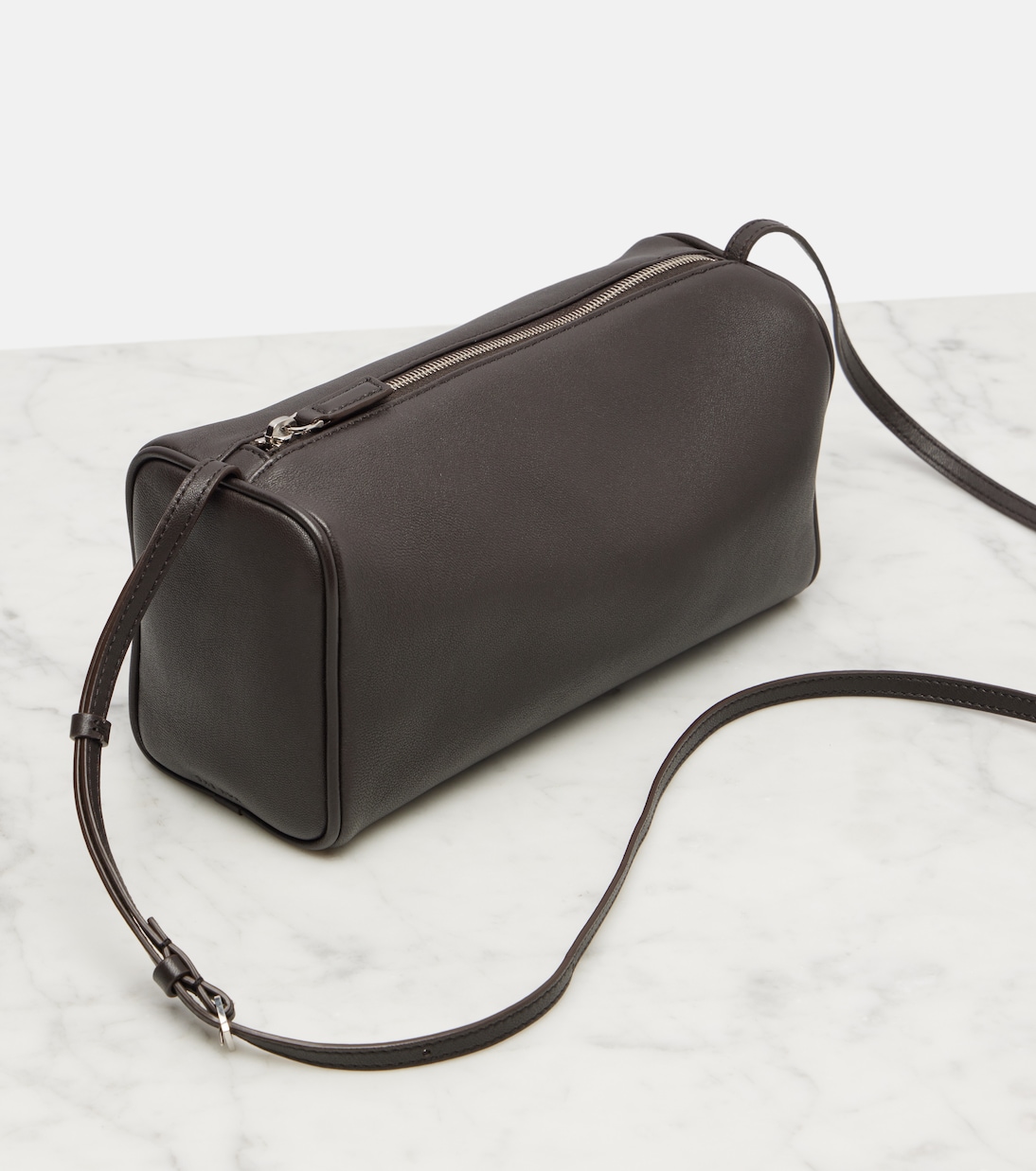
YSL Luxury Tote Bag Bestselling Icon
A Buyer’s Handbook to Working Through The Row Sale Events
Sitting in a peculiar corner of the luxury market, The Row is pared-back, understated, and almost allergic to the discounting rituals that define most apparel brands. Founded by Mary-Kate and Ashley Olsen, the brand cultivated its name on understatement — logo-free leather goods, deliberate tailoring, and prices that reflect hand-finishing rather than logos. That restraint extends to how the label approaches markdowns. In contrast to high-volume chains that run clearance events on a near-constant cycle, The Row’s sale activity is scarce, hard to forecast, and often channeled through outside retailers rather than its direct-to-consumer channel. Grasping this pattern is the first step to shopping strategically instead of impulsively.
This overview lays out when sales tend to happen, which pieces actually see markdowns, and how to assess whether a discounted item — especially within the label’s well-known handbag line — is worth the money. It also takes on the common query shoppers ask most often: where to purchase The Row Margaux bag without overpaying, and how that compares to chasing other pieces during a row sale window.
Why Traditional Sale Cycles Don’t Apply to The Row
Most premium fashion labels lean on seasonal sale cycles — end of season in June and December, with markdowns climbing from 30% to 70% as inventory sits unsold. That timetable doesn’t really apply to The Row. Its own e-commerce channel runs sparse, low-key price cuts, typically tied to late-season inventory reduction rather than promotional events like Black Friday. Shoppers won’t find banner ads or countdown timers. Its market stance hinges on limited supply preserving desirability, so aggressive discounting would undercut the exact quality that renders the row fashion category coveted in the first place.
The place actual markdowns occur is through third-party luxury sellers — Net-a-Porter, MyTheresa, Matches (while it operated), Farfetch, and resale and discount sites like The RealReal, Vestiaire Collective, and Yoox. Such retailers run their own promotional calendars separate from the brand’s own timing, which means a discount moment might show up on a third-party site while its direct site show full price. That makes this the key point to keep in mind before you start searching for deals.
Since stock is intentionally scarce, the items that occasionally see markdowns are often less designer bags popular colorways, older seasonal releases, or sizes that didn’t sell through initially. It’s uncommon to see the label’s top current handbags — such as a black Margaux 12 in classic leather — discounted in any meaningful way on any platform. If you come across major price cuts on those, take it as a reason to verify it’s genuine rather than a stroke of luck.
Reading the Calendar: When to Actually Look
If you can hold off, there are repeating stretches of time when reductions show up in groups, even though The Row itself keeps a low profile.
- Retailer summer clearance generally delivers 20 to 40 percent off spring/summer stock, spanning late June to mid-July.
- Third-party platforms run Black Friday and Cyber Monday sales in late November, sometimes marking down a few The Row pieces by 15 to 25 percent.
- Late December to January: seasonal winter markdowns, often the biggest price drops annually, ranging between 30 and 60 percent on aging inventory.
- Given that pricing on Vestiaire Collective and The RealReal depends on each seller’s listing, it shifts continually instead of sticking to a fixed calendar.
Given that The Row puts out restricted quantities every season, in-demand pieces disappear from shelves at list price prior to ever reaching a sale period. It’s partly why the row bags overview discussion on the web is shaped mostly by resale values more than markdowns at retail — by the time a piece would be discounted, it’s long gone.
The Handbags: What Deserves a Spot in Your Cart on Sale
Within The Row’s handbag range, the handbag collection ranks as the steadiest category, and for good reason. Constructed with vegetable-tanned leathers, spare hardware, and silhouettes designed to wear in gracefully rather than follow passing fads, its craftsmanship defines the approach. So when you’re evaluating the row handbags during a sale, zero in on three things: leather quality, hardware wear if buying resale, and whether the piece is a long-term archive piece or a discontinued one-off.
Standout row bags to keep an eye on when marked down include the Margaux, the Sofia, the N/S Park Tote, and the half-moon shaped Ascot. It’s not only their appearance that sets them apart — their real-world function varies, which becomes important when figuring out if the price cut earns your money.
| Handbag Silhouette | Common Way It’s Worn | Value Kept on Resale | How Regularly It’s Discounted |
|---|---|---|---|
| Margaux 12/15 | An everyday tote used as a office bag | Strong — holds 60–75% of retail on resale | Rare; disappears from shelves before markdown |
| Sofia | Office-appropriate top-handle design that carries through the evening | Above-average | Shows up periodically through external vendors |
| N/S Park Tote | Sizable daily tote for daily loads | Average | Often discounted, owing to higher-volume stock |
| Ascot | Bold / after-dark accessory | Lower — specialty silhouette | Appears more often in secondhand markdown bins |
The Margaux deserves special attention because it’s become something of a modern classic — the row bag equivalent of a Birkin in terms of cultural shorthand, minus the waitlist theatrics. If you’re asking where to buy The Row Margaux bag at any kind of discount, your realistic options are limited to resale platforms with verified authentication, or catching a rare markdown at a multi-brand retailer during an overstock moment. The brand’s own site almost never discounts this particular style because demand consistently outpaces supply.
How Retailer Selling Avenues Compare With Resale Market
Purchasing The Row at a discount is not a single strategy — it splits into two separate directions, and both of them involves pros and cons worth measuring before you commit.
A clearance sale at an approved retailer ensures genuine authenticity, usually throwing in the original packaging, dust bag, and care card too. The catch lies in the selection: you’re picking from what failed to move, which leans toward less sought-after colors or previous seasonal releases. Discounts here typically range from 20% to 50%, depending on how deep into clearance the retailer is willing to go.
Pre-owned selling sites offer far more selection, including styles no longer produced and hard-to-find hues you won’t find anywhere else. The RealReal and Vestiaire Collective both verify using in-house teams, though buyers should still examine stitching photos, hardware stamps, and interior tags closely. Prices fluctuate dramatically — a well-loved Margaux might be priced at 40% off original retail, while a immaculate, rare colorway can list above retail if demand is high enough. This is the paradox of the row sale ecosystem: sometimes «sale» pricing on resale surpasses what you’d pay new, simply because the item is no longer in production.
Practical Steps Prior to Purchase
Certain routines separate a savvy purchase from a remorseful one, especially when the lure of markdowns tempts you to move fast.
- Verify the current retail price on The Row’s own site before presuming that a «sale» price is truly a discount.
- In the case of bags, ask for close-up photos of the interior stamp, zipper pulls, and stitching if buying resale — The Row’s hardware is understated but distinctive.
- Create a price alert on platforms like Vestiaire Collective for certain styles rather than searching without focus; inventory turns over daily.
- Budget for resale platform authentication fees and shipping insurance costs, which can tack on 5–10% to the final price.
- Stay away from third-party sellers outside recognized platforms offering The Row tote bag styles at discounts exceeding 60% — this is a frequent red flag for counterfeit goods.
- Examine return policies attentively; many resale marketplaces sell bags as final sale once authenticated.
Setting Realistic Expectations
The Row was never designed to reward bargain hunting the way fast fashion or even mid-tier luxury brands do. Values remain steady because production stays intentionally small, and that scarcity is the entire business model. Shoppers wishing for 70% off a current-season Margaux will likely wait years for that moment, if it ever comes at all through official channels.
What’s realistic instead is patience matched by vigilance: keeping an eye on retailer clearance calendars twice a year, setting alerts on resale platforms for particular styles, and being poised to move quickly when a genuine markdown surfaces. Such patience brings real rewards — a well-maintained bag from this house tends to outlast trend cycles altogether, making even a modest discount feel like meaningful value over a decade of use.